

RDS moves ocean containers between the marine terminals at the ports of Los Angeles and Long Beach and your warehouse, distribution center or transload facility. Every move is planned around the details that decide whether a container moves on time: chassis, terminal appointments and the last free day. For domestic containers at the rail ramps, see Southern California Rail Drayage. [CONFIRM: other U.S. seaports served and how those moves are covered (own drivers or partner carriers). If none, change H1 to “Port Drayage for Los Angeles and Long Beach.”]
Dedicated Port Team
Who runs port drayage at RDS?
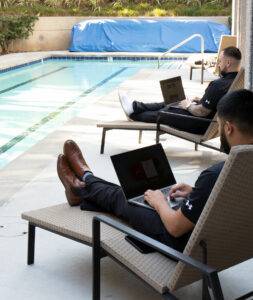
Our port operation is led by Zach Pemberton, General Manager, Port Drayage. [CONFIRM: 2–3 sentences on the port operation: terminals served, number of trucks or drivers on port work, and equipment (e.g., chassis types, overweight capability).]
Planned Around Free Time
How does RDS plan port moves?
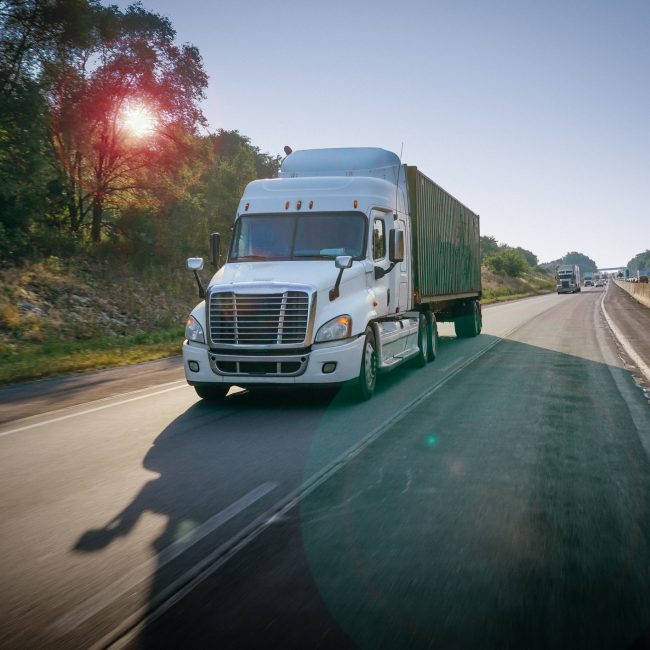
Port moves run on deadlines. An import container usually needs a chassis, a terminal appointment and a pickup before the last free day, and the empty has to go back on time. We plan every port move around those dates so your freight keeps moving and your containers don’t sit. [CONFIRM: chassis approach, and whether RDS offers prepulls and yard storage at Fontana.]
Visibility
Can I track my containers in real time?
Yes. RDS built its first dispatch software in the 1980s and has developed it into the platform that runs our operation today. Customers see shipment status, delivery documents and updates around the clock, and our drivers send and receive paperwork from tablets in the cab.
Why choose RDS for port drayage?
1Proven
What results can I expect?
[CONFIRM: one proof point for port work: an on-time rate, annual container volume, or a named customer example.]

2Positioned
Where is RDS located?
Our Fontana yard is in the Inland Empire near the junction of I-10 and I-15, between the Southern California ports and the region’s warehouses and distribution centers. [CONFIRM: how the yard supports port moves, e.g., prepulls and staging.]
3Connected
What technology does RDS use for dispatch?
Customers have around-the-clock visibility into delivery status, required documents and critical updates through RDS’s own management and dispatch software. Drivers send, receive and produce documents from tablets in the cab.

What do shippers ask about port drayage?
Which ports does RDS serve?
The ports of Los Angeles and Long Beach. [CONFIRM: other ports, if any.]
How is port drayage different from rail drayage?
Port moves usually need a chassis and a terminal appointment, and the last free day at the terminal drives the schedule. Domestic rail moves mostly use containers that come off the train already on wheels. We plan each type of move separately.
Does RDS provide chassis?
[CONFIRM: own chassis, pool chassis, customer-provided, or a mix.]
Can RDS pull a container early and hold it?
[CONFIRM: prepull and storage at the Fontana yard, and any limits.]
Can I track my containers during a port move?
Yes. Our dispatch software shows shipment status, delivery documents and updates around the clock, and our drivers send and receive paperwork from tablets in the cab.
How do I get a port drayage quote?
Send our team the port and terminal, container size and type, delivery address and last free day. For recurring moves, include your expected weekly volume and we’ll price the lane.